
Chiropractic care that’s built around you.
No generic treatments. No assembly-line adjustments.
We have real, measured progress backed by 30+ years of experience, objective data, and a deep belief in what’s possible for your body.
At Possibilities Chiropractic, we specialize in Upper Cervical chiropractic care and SoftWave™ therapy—two highly precise, non-invasive techniques that help your body heal faster, hold longer, and function better.
Whether you’re struggling with long-term fatigue, pain that won’t go away, or just feeling off in a way no one has been able to explain… you’re not alone, and you’re not out of options.
Upper Cervical Chiropractic
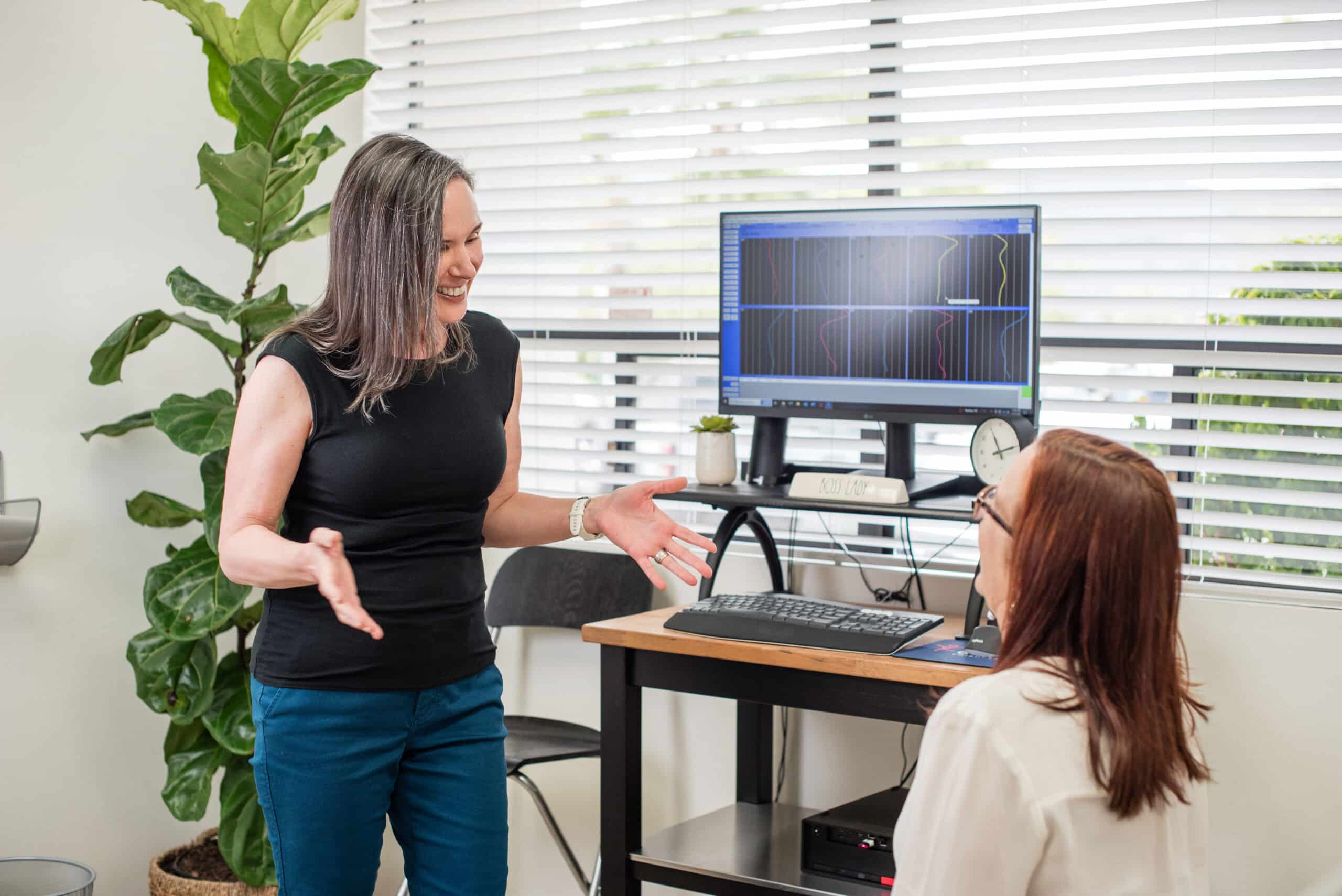
If your only experience with chiropractic has been full-spine adjusting, Upper Cervical care might feel like a whole new world — in the best way.
We focus on the top two vertebrae in your neck—the atlas and axis—which impact the way your nervous system functions from head to toe.
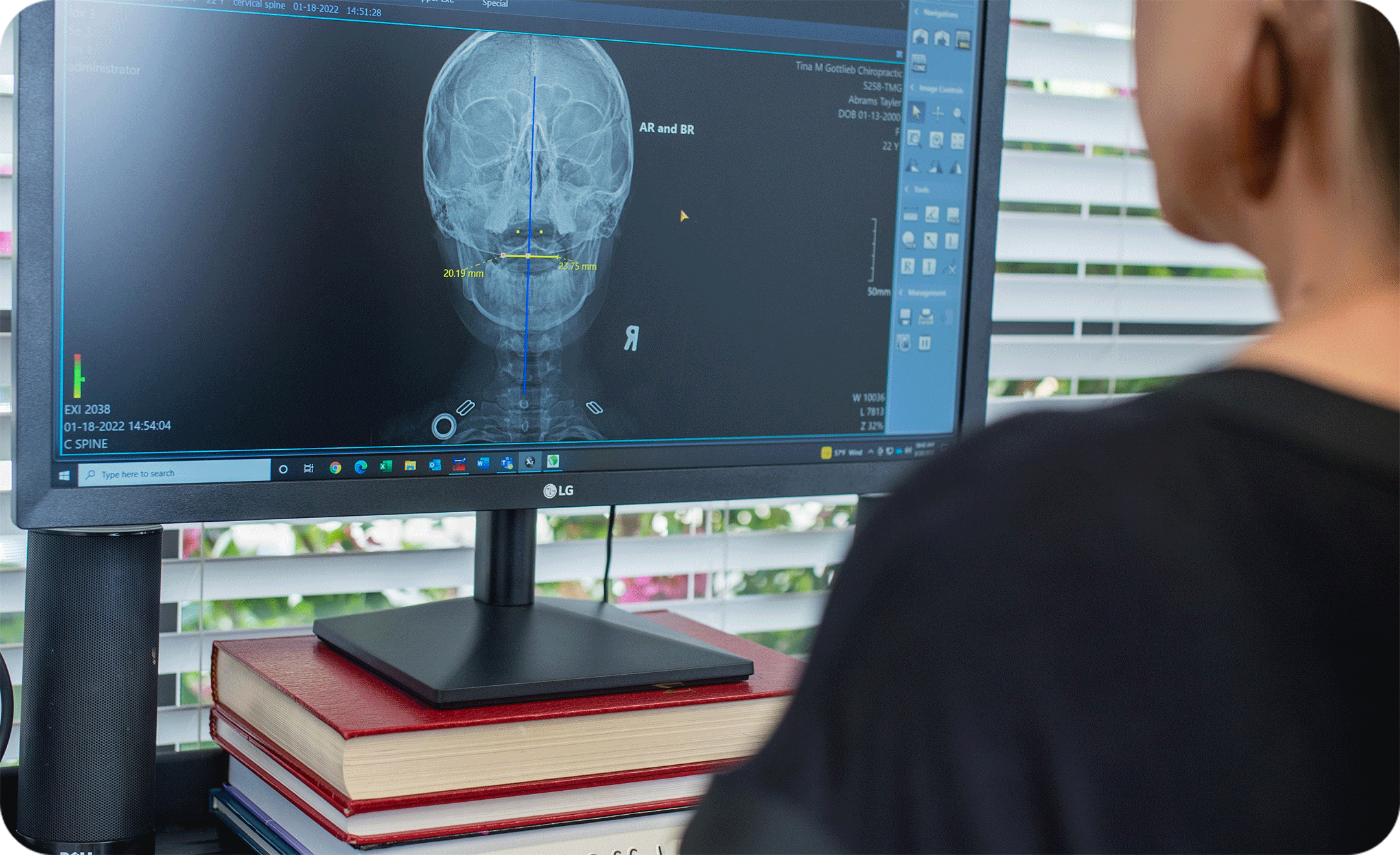
Using paraspinal digital infrared thermography and precision digital X-rays, Dr. Tina creates a care plan that’s uniquely tailored to your body, your biomechanics, and your nervous system.
The entire goal is to help facilitate the body’s restoration of its nervous system, increasing your ability to adapt to life and all its stress.
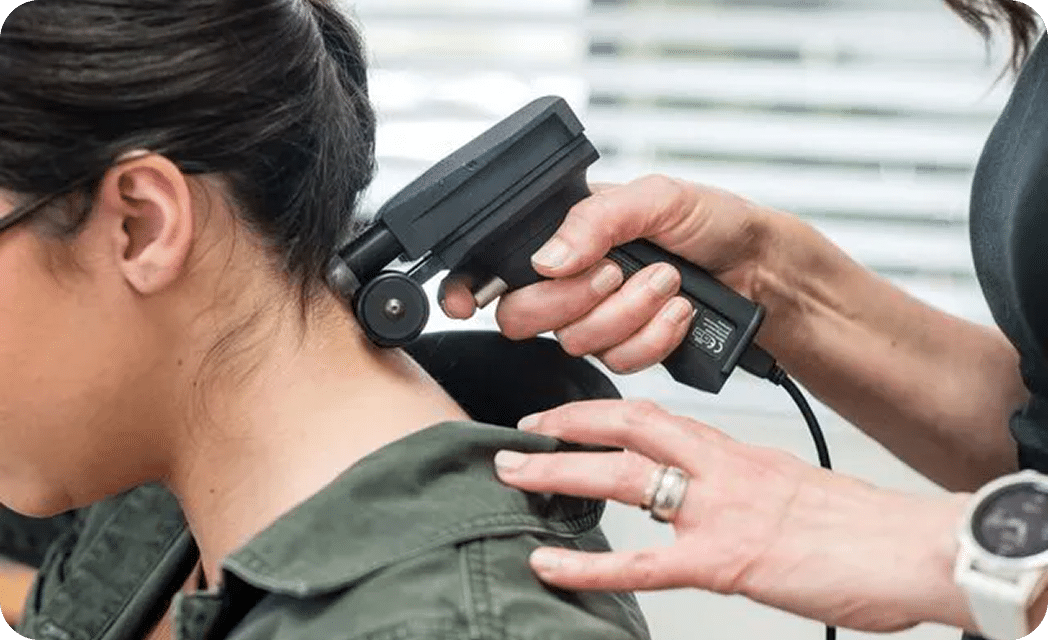
There’s no twisting, popping, or guesswork. Every adjustment is precise, calculated, and always followed by a post-adjustment scan to track your body’s response.
Some patients are surprised to learn:
- You won’t be adjusted every visit
- You may go weeks (or months!) between adjustments—and that this is actually the goal
- We care more about you holding your adjustment than the actual adjusting—because true healing happens between the adjustments
SoftWave TRT
Regenerative technology, real results.
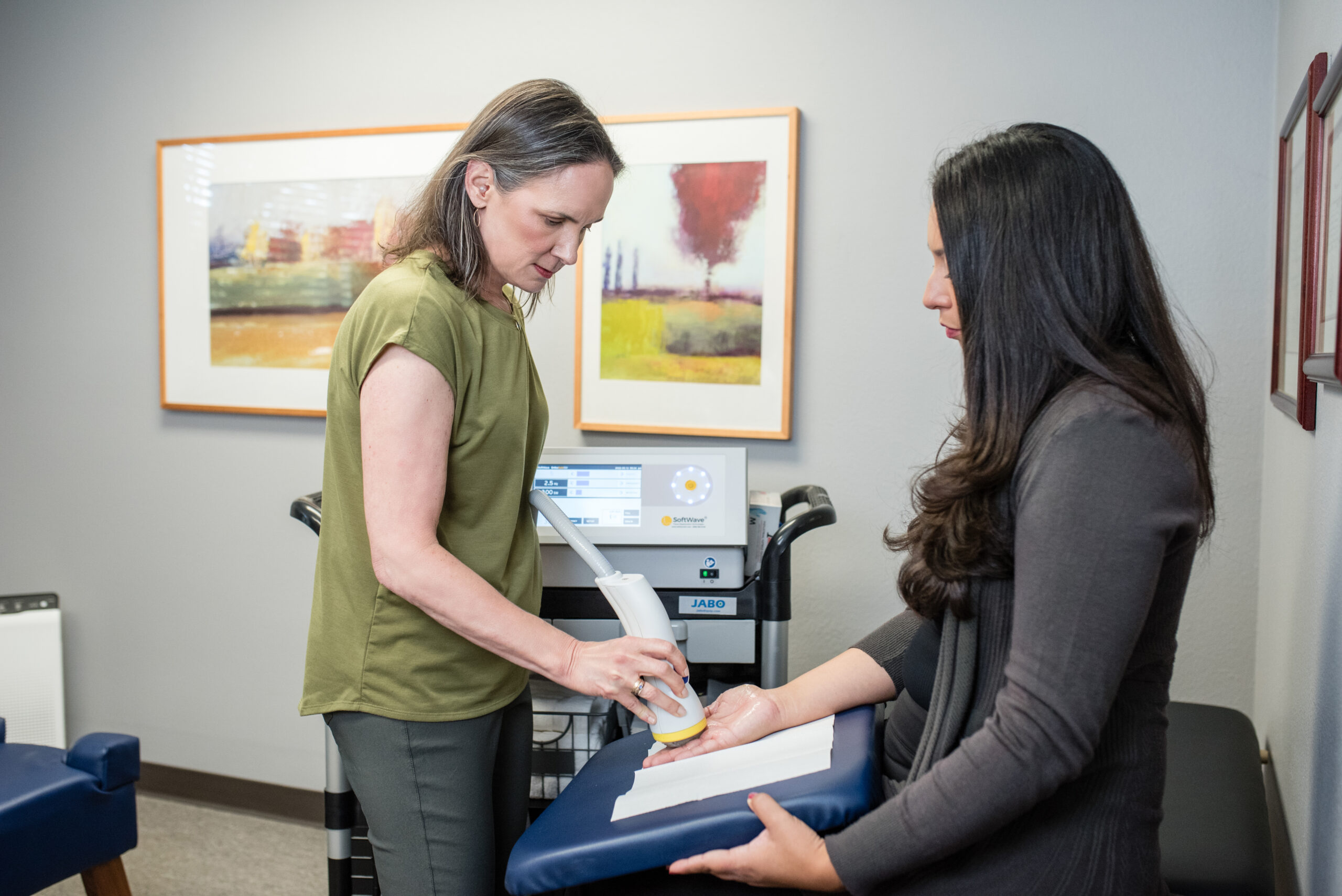
SoftWave Tissue Regeneration Technology (TRT) uses sound waves to activate your body’s own healing response without needles, drugs, or downtime.
We use it to:
- Decrease inflammation and increase blood flow
- Accelerate recovery from injuries by stimulating the body’s stem cell response
- Support tissue healing in areas like knees, shoulders, hips, feet, and spine
Whether you’re recovering from an injury or dealing with chronic joint issues, SoftWave may be the missing piece that helps your body finally move forward.
Care Designed for Every Body
Detecting
We start with a detailed exam using thermography and Precision Digital X-rays for Biomechanical Analysis. This helps us identify if, and how, your upper cervical spine is affecting your nervous system. These tools tell us what to do and when to do it.
Stabilizing
We begin care, making precise adjustments only when scans show you need them. The goal here is not to adjust often, but to adjust at the right time and in the right place, ultimately helping you hold your adjustment for longer periods of time, expediting your healing process.
Regulating
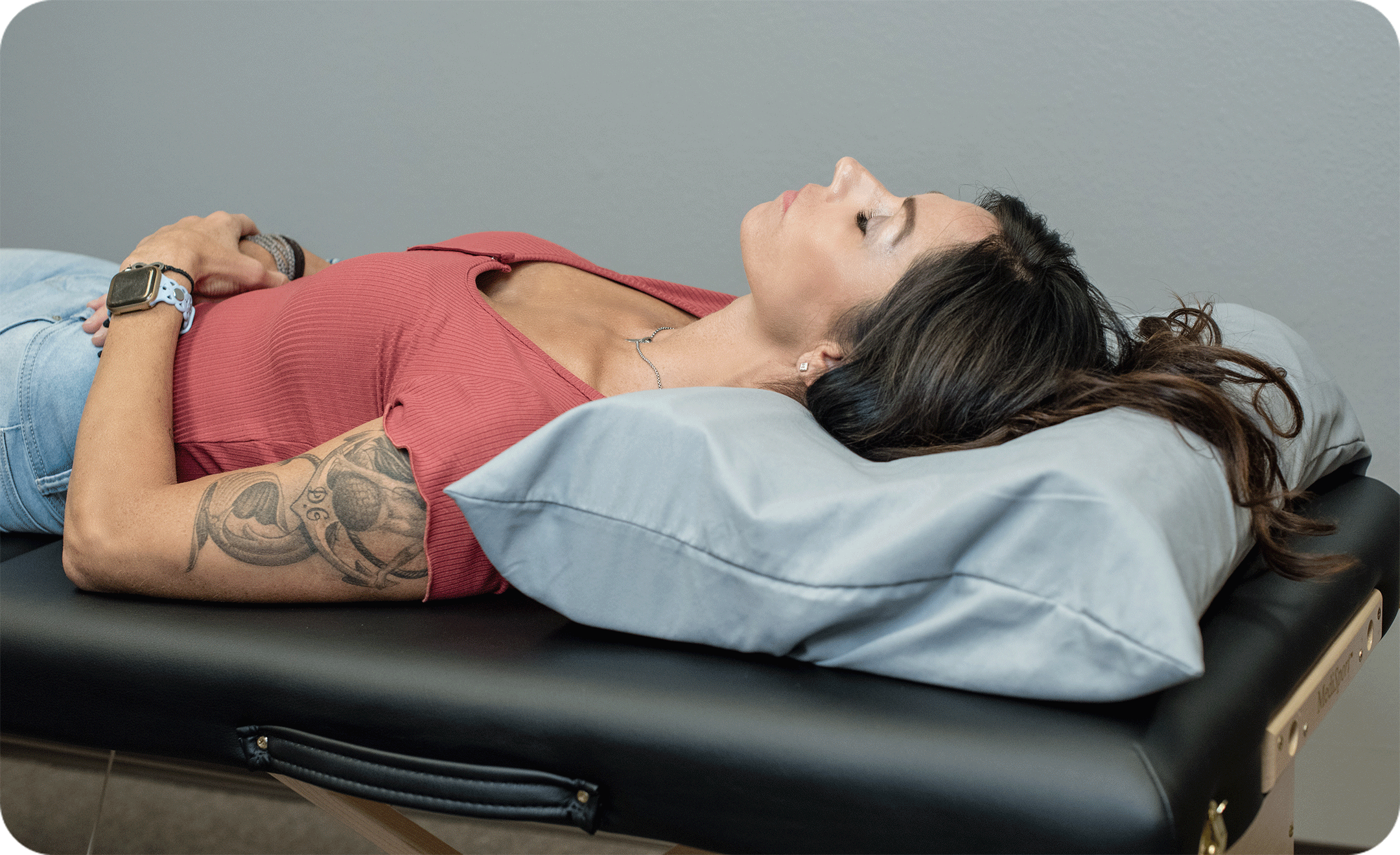
Your body starts adapting to stress better, holding your adjustment longer, and showing progress on your scans. This is where your nervous system is really showing off its resiliency and restoration process.
Transitioning
You’re feeling better, functioning better, and needing fewer interventions. This is when we get to layer in other wellness tools (SoftWave, lifestyle, referrals if needed) because your body is now no longer in a state of survival and protection, but in a state of healing and growth.
Being
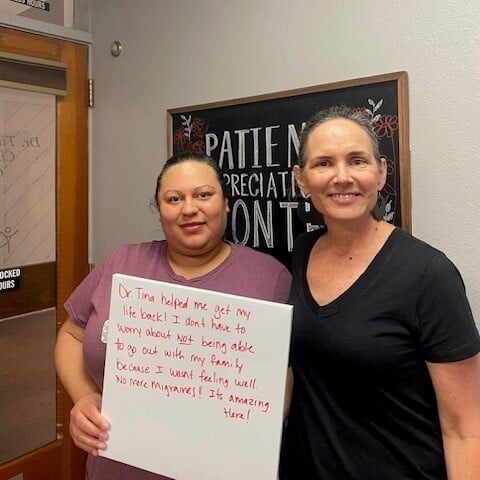
You’re not just symptom-free—you’re living with freedom again. We support you with long-term habits and care as needed to help you stay in that state of being fully you.
— Dr. Tina Gottlieb, D.C.
“Get well and stay well so that you can focus on creating an abundance of possibilities.”
Got questions? We’ve got answers.
Do you adjust on the first visit?
No. Your first visit is dedicated to gathering information, including your health history, scans, and X-rays (if needed). Dr. Tina will review everything with you during that visit, including whether Upper Cervical care is a good fit.
Will I be adjusted every time I come in?
No. We don’t believe in adjusting unless your body shows a clear need for it, backed by data from your scans and x-rays.
Does SoftWave hurt?
It’s typically not painful, but you may feel mild discomfort during the mapping process. Most patients describe it as a strong tapping or pulsing sensation.
What conditions can SoftWave help with?
We use it for a wide range of musculoskeletal issues—knees, hips, shoulders, low back, feet, and more. It helps your body heal faster and more completely.
You’re not here to manage. You’re here to get better.
And that starts with care that’s precise, personal, and built around possibility.